


Gum Disease Treatment – Frederick, MD
Protecting Your Smile’s Foundation
As important as your teeth are to your oral health, your gums matter just as much! If too much plaque and bacteria are allowed to accumulate, they can develop an infection called gum disease. Redness, swelling, and bleeding are common early symptoms, and without professional treatment, it can eventually lead to tooth loss. If your gums have been feeling a little more sensitive lately, you can trust My Fredrick Dentist to provide the targeted treatment you need to protect your smile. To learn more or schedule an appointment, contact us today.
Why Choose My Frederick Dentist for Gum Disease Treatment?
- Gum screenings performed at every checkup
- Specialty cleanings remove infection at the source
- Enjoy fast & painless laser gum treatments
What Is Gum Disease?

Gum disease affects nearly half of Americans and is marked by infection and inflammation of the gums, often caused by poor oral hygiene. When plaque and bacteria build up along the gumline, they can lead to infection, bringing on a range of symptoms and potential complications if left untreated. However, in its early stages, gum disease is completely reversible, making prompt attention and care essential to prevent progression.
Symptoms of Gum Disease

Common signs of gum disease include:
- Red, swollen, or tender gums
- Bleeding gums, especially during brushing or flossing
- Persistent bad breath
- Receding gums that pull away from the teeth
- Deep pockets forming between teeth and gums
- Loose or shifting teeth
- Noticeable changes in your bite alignment
How Do We Treat Gum Disease?

If you notice any changes in your gums or teeth, no matter how minor, it’s important to contact our office right away. One of our experienced dentists can thoroughly evaluate your gums and teeth to determine if gum disease treatment is needed. While some advanced cases of the infection cannot be fully reversed, we can take steps to stop its progression and improve the health of your gums. Services we offer to address gum disease include:
Antibiotic Treatment

There are tiny spaces between your teeth and gums called periodontal pockets, and this is where gum disease bacteria tend to gather and multiply the most. They are very difficult to clean with regular tools, but we can reach them with topical antibiotic therapy. A medicine called Atridox is applied just below the gum line, and over the course of a week, it slowly dissolves and seeps down to eliminate even the most well-hidden bacteria.
Laser Periodontal Treatment
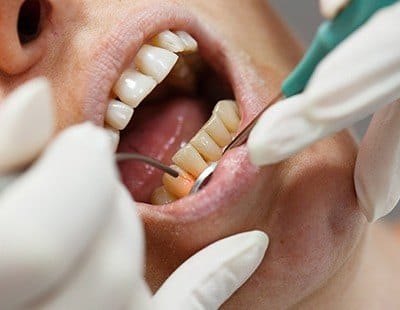
Our soft tissue laser gives us the ability to quickly eliminate harmful bacteria from along the gum line while keeping a patient completely comfortable. The concentrated beam of light instantly vaporizes the bacteria, all the while leaving the surrounding healthy gum tissue untouched. The instrument emits almost no heat, sound, or vibration as well, which is why many patients don’t even need local anesthetic during this kind of procedure.
Scaling & Root Planing
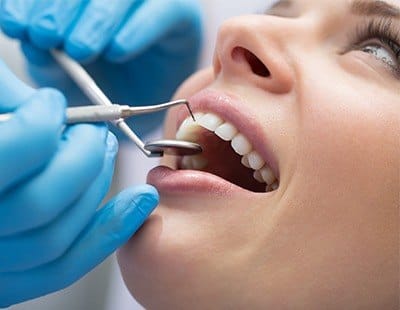
A scaling and root planing treatment is similar to a regular dental cleaning, except it is solely focused on the gum line and roots of the teeth. For the scaling portion, a small ultrasonic cleaner will be used to remove any plaque deposits located around the roots of the teeth, which are the underlying cause of gum disease. We’ll then gently smooth out the rough surfaces of the roots in order to make it harder for plaque to gather on them in the future, lowering the chance of reinfection.
Do I Need Scaling & Root Planing?

Typically we recommend a scaling and root planing when gum disease has progressed to be too difficult for an ordinary toothbrush to remove. This is because at this point, the gum disease-causing bacteria has hardened into plaque and tartar. These substances stick to teeth quite strongly and produce an acid that wears down the gumline. Without prompt treatment, you could very well encounter irreversible damage, such as tooth loss.
The Process of Scaling & Root Planing

A scaling and root planing treatment involves two different stages of the same procedure. Ultimately, the goal is to remove the bacteria that have accumulated around or underneath your gumline and prevent future reinfection.
For the first stage, scaling, we’ll use the ultrasonic cleaner mentioned earlier to gently eliminate plaque and tartar from your gumline and any gingival pockets – which are essentially “pockets” of bacteria that may have formed in your pinkish tissue.
Once that’s taken care of, we’ll “smooth over” your dental roots with another special tool. You can think of this part as a type of massage for your gums. It will help close gingival pockets, preventing further bacteria accumulation from building up inside of your gums, while also encouraging the pinkish tissue to reattach to your pearly whites.
Aftercare Tips for Scaling & Root Planing

We’ll numb your mouth before proceeding with a scaling and root planing, which means you’ll have to be careful not to accidentally bite your tongue or cheek for at least two hours afterwards. We recommend avoiding eating during that time or sticking to soft foods.
You can brush your teeth as you normally would – in fact, we encourage it! However, you’ll likely be sore after your scaling and root planing, so it’s best to clean carefully and slowly. To manage aches and pains, you can take an over-the-counter medication like ibuprofen or Tylenol.
Finally, avoid drinking alcohol, smoking, chewing tobacco, and strenuous activities. These can all impair the healing process; instead, get plenty of rest, and be to contact us if you have any questions or concerns!
Gum Disease Treatment FAQs
How Long Does Gum Disease Treatment Take?
The length of gum disease treatment in Frederick depends on the severity of the condition and the type of care needed. Mild cases can often be managed with antibiotic therapy and increased at-home oral care, generally showing improvement within a few weeks. Moderate to advanced gum disease typically requires scaling and root planning or laser periodontal treatment, which may be completed over one or multiple visits. Healing and aftercare can take several weeks to a few months, with ongoing maintenance visits needed to help keep things under control long term. When you meet with our team, we’ll cover the estimated timeline when reviewing all aspects of your treatment plan.
What If I Don’t Treat My Gum Disease?
If gum disease is left untreated, it can progress and lead to serious oral health problems. Early-stage gum disease may cause redness, swelling, and bleeding, but advanced stages can result in gum recession, chronic infection, and even tooth loss. Untreated gum disease has also been linked to many overall health concerns, including even heart disease and diabetes complications, as well as respiratory issues. As the condition worsens, treatment can become more complex and costly. This is why seeking timely care helps to protect your teeth, gums, and overall well-being; the long-term damage gum disease can cause might be alarming, but it is also highly preventable!
Does Gum Disease Treatment Hurt?
Gum disease treatment is designed to be as comfortable as possible for patients. Treatments such as scaling and root planning and laser periodontal treatment can all be performed with local anesthesia to minimize discomfort, and in the case of the latter, the use of a soft tissue laser makes things even faster and smoother. After treatment, some mild soreness or sensitivity may occur, but it usually subsides within a few days and can be managed effectively with a combination of over-the-counter pain relievers and by following your treatment guidelines. We’ll always be sure to walk you through the process and let you know exactly what to expect during each step. Note that not treating gum disease can end up causing pain down the road!
How Can I Prevent Gum Disease?
Preventing gum disease starts with a strong daily oral hygiene routine. Brush your teeth at least twice a day with a soft-bristle toothbrush and fluoride toothpaste, and floss daily to remove plaque from between the teeth and along the gum line. Regular dental cleanings and exams at our office are also essential, as they allow us to detect early signs of gum disease and begin treatment promptly. In addition to this, eating a balanced diet, limiting sugary foods, avoiding smoking and tobacco products, and managing conditions like diabetes can also play a very important role in keeping your gums, and by proxy, the rest of your body in great health.