


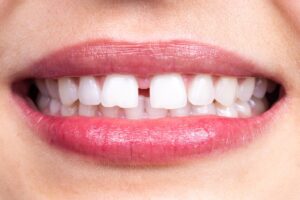
If you have a small gap between your teeth, you may wonder if orthodontic treatment is your only option. For many patients, cosmetic dental bonding can be a fast, affordable, and minimally invasive way to close small gaps and improve the appearance of their smiles. While dental bonding isn’t the right solution for every case, it can produce beautiful, natural-looking results for the right candidate.
What is Dental Bonding?
Dental bonding is a cosmetic procedure that uses a tooth-colored composite resin to reshape or enhance the appearance of a tooth. The resin is carefully matched to the color of your natural teeth, applied directly to the tooth, sculpted into the desired shape, and hardened with a special curing light.
Once polished, the bonded area blends seamlessly with your surrounding teeth, making it difficult to tell where the natural tooth ends and the bonding begins.
In many cases, the entire procedure can be completed in just one easy visit!
When is Bonding a Good Option for Closing Gaps?
Dental bonding is often an excellent choice for closing small spaces between the front teeth, also known as diastemas. Instead of moving the teeth closer together, your dentist carefully adds composite resin to one or both teeth, making them slightly wider so the gap disappears.
Bonding works best when:
- The gap is relatively small.
- Your teeth and gums are healthy.
- Your bite is properly aligned.
- You’re looking for a conservative cosmetic solution.
If the gap is large or caused by significant bite or alignment issues, your dentist may recommend orthodontic treatment, such as clear aligners or braces, instead.
Benefits of Dental Bonding
One reason dental bonding is so popular is that it’s one of the least invasive cosmetic dental procedures available. In many cases, little or no natural tooth enamel needs to be removed.
Other advantages include:
- Natural-looking results.
- A quick procedure, often completed in a single appointment.
- A more affordable alternative to porcelain veneers.
- Little to no recovery time.
- The ability to repair chips, cracks, and uneven teeth in addition to closing gaps.
Caring for Bonded Teeth
Although the composite resin used in dental bonding is durable, it isn’t as strong as natural enamel or porcelain. Avoid chewing on ice, biting your fingernails, or using your teeth to open packages, as these habits can chip the bonding material.
Brushing twice a day, flossing daily, limiting stain-causing foods and beverages, and visiting your dentist for regular checkups will help keep your bonded teeth looking their best.
Dental bonding offers a simple, effective way to close small gaps and enhance your smile without extensive treatment. It’s a conservative cosmetic option that can dramatically improve your confidence in just one appointment. If you’re bothered by spaces between your teeth, schedule a consultation with your cosmetic dentist to see if bonding is a good fit for you.
About the Practice
Dental bonding is just one of many cosmetic services we offer at our state-of-the-art facility at My Dentist Frederick. Porcelain veneers, metal-free restorations, teeth whitening, and BOTOX can all help you achieve the beautiful smile you’ve already dreamed of having. Come visit Drs. Aziz and Akber and the rest of our team if you’re ready for a glow-up. Call our Frederick office at (301) 698-9552 to make an appointment or schedule online.