


Laser Dentistry Frederick
More Precise, More Comfortable Dental Treatment
Traditional tools have allowed generations of dentists to provide high-quality care. But times are moving forward! That is why many practices, including our Frederick team, actively look for new technologies that can elevate the patient experience. For example, we use soft tissue laser dentistry. What is a dental laser, and how does it make gum disease treatment easier and more effective? Continue reading below to find out.
Why Choose My Dentist Frederick for Laser Dentistry?
- High-Tech Soft Tissue Laser
- More Comfortable & More Precise Treatment
- Skilled & Compassionate Dental Team
What Are Dental Lasers?
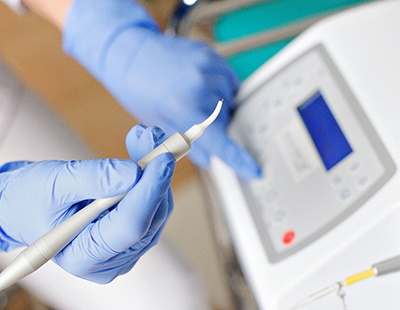
A laser is essentially a very focused beam of light. Lasers come in varying wavelengths and have a multitude of applications across a variety of industries, including medical and dental settings. The laser in our practice is a soft tissue laser, meaning that it is designed to work on the soft tissues in the mouth, such as the gums, rather than hard tissues like teeth. In many cases, a laser can be used to replace traditional instruments such as scalpels.
Laser Gum Disease Treatment
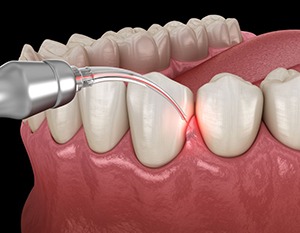
Laser dentistry is versatile. In our practice, we primarily use our laser to help our patients enjoy improved gum health. If you have gum disease, the laser can kill harmful bacteria in the pockets between your teeth and gums, which can allow your gums to firmly reattach to your teeth. It can also be used to remove diseased tissue. Often, our laser is used alongside other treatments, such as scaling and root planing, to produce the best possible outcome.
The Benefits of Laser Dentistry
Laser dentistry offers numerous advantages for both patients and practitioners:
- Minimal Discomfort: Laser procedures often cause less pain and swelling than traditional methods, sometimes even reducing or eliminating the need for anesthesia.
- Precise Treatment: Lasers target specific areas without affecting surrounding healthy tissue.
- Reduced Bleeding: The laser cauterizes as it works, resulting in less bleeding during and after the procedure.
- Lower Risk of Infection: The sterilizing effect of the laser decreases the chance of post-treatment infections.
- Quick Healing: Patients typically experience shorter healing times and can return to normal activities sooner after laser treatments than after conventional procedures.